
If you have ever stood in a Sam’s Club aisle holding a shelf tag and wondered whether a price ending in .91 means final clearance or just a coincidence, you have run into the same question that fuels most Sam’s Club markdown code secrets threads online. Here is the honest starting point: Sam’s Club does not publish an official decoder chart. What circulates as a code list is a mix of patterns shoppers have observed over years, a few retailer-wide pricing conventions, and a fair amount of guesswork repeated until it sounds official. This guide separates the parts you can rely on from the parts you should verify in the store before you fill your cart.
What Markdown Codes Really Are, and What They Are Not
Retailers choose their own price endings. There is no federal rule that says a price ending in .91 must be clearance. What is regulated is accuracy: in most US states, weights and measures or consumer protection agencies require the price on the shelf tag or on the item to match what the register charges, and many states have specific item-pricing rules for that. So treat price endings as a merchandising convention, not a legal signal.
A few conventions do hold up in practice at Sam’s Club:
- Everyday club prices on a large share of items end in .98. That is the baseline, not a deal.
- Markdowns frequently appear as .91, usually alongside a printed sticker or a reduced-price sign.
- Instant Savings prices are temporary promotional prices, not clearance. They expire on a published date and then the price returns.
The distinction that matters is between a promo and a permanent markdown. A promo has an end date and the item will be restocked. A markdown is the club pushing an item out of the assortment. For contrast, our breakdown of the Costco price tag asterisk shows how another warehouse club signals discontinuation with a symbol rather than a price ending.
Reading a Sam’s Club Price Tag Ending by Ending
<!–nextpage–>
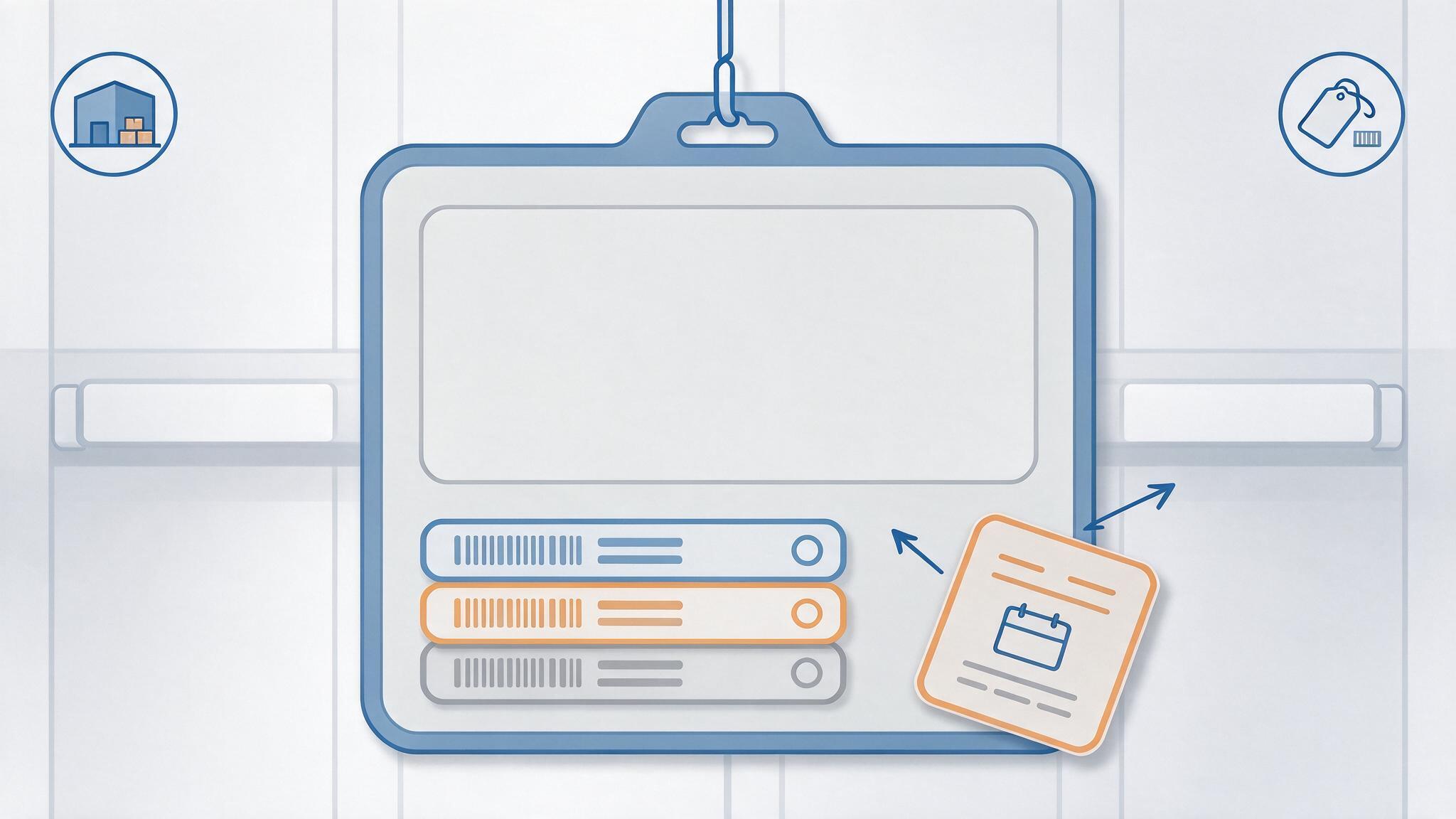
Below is what deal-hunting communities commonly report about Sam’s Club price endings, with an honest reliability rating. Use it as a hint, then confirm with the app or a register scan.
| Ending | What shoppers commonly report | Reliability |
|---|---|---|
| .98 | Standard everyday club price | High — the most common baseline ending |
| .91 | A markdown or clearance price | High among regular shoppers, but not an official rule |
| .88 | Reported as a clearance or special price | Medium — reports are inconsistent between clubs |
| .00 | Often a round-number event or promotional price | Low to medium — context matters more than the ending |
| .01 | The famous penny item at the end of a markdown cycle | Low — rare, not guaranteed, and often pulled from the floor |
Two things on the tag matter more than the ending itself. First, look for a printed markdown sticker with a date and often an associate’s initials. That date tells you when the price changed, which helps you estimate when the next drop might come. Second, count the stickers. An item wearing three stacked labels has been sitting a while and is closer to its final price than an item with one.
Many clubs have also moved toward electronic shelf labels, which update automatically and cut down on printed stickers. If your club uses them, the tag itself tells you less, because the current price is whatever the app or the register says. Scan the item in the Sam’s Club app or at a self-checkout price checker before you commit, especially on a big-ticket item such as a grill, a television, or furniture.
The Markdown Ladder: How a Price Falls Before It Disappears
Clearance at a warehouse club is usually a staircase, not a cliff. A typical progression looks like this:
- First markdown. The item is flagged for reduced assortment. The price drops modestly, often to a .91 ending, and a dated sticker goes on the tag.
- Second markdown. If it does not sell within a few weeks, the price drops again and a second sticker appears on top of the first.
- Final markdown. The club wants the space back. This is normally the deepest price you will see on the shelf.
- Removal or penny pricing. What is left gets pulled and either returned to the vendor, sent to salvage, or occasionally rings up at a token price. Do not plan a trip around this stage — it varies by club and is unpredictable.
The practical trade-off: if you want the absolute lowest price, wait for the second or third sticker. If you actually want the item, buy at the first markdown, because popular sizes and colors disappear quickly.
When Sam’s Club Marks Down: Timing Your Trips
Markdown work is generally done by club staff before opening or during slow hours, so a weekday morning trip tends to show fresher tags than a Saturday afternoon. Beyond that, timing follows the retail calendar:
- End of season. Patio furniture, grills, pool gear, and fans get cut as summer winds down; winter apparel and heaters get cut as spring arrives.
- Post-holiday. Holiday decor, gift sets, toys, and seasonal candy are marked down quickly in early January.
- End of month and end of quarter. Many retailers reset markdowns on those boundaries to clean up inventory reporting.
- Fresh departments. Meat, produce, bakery, and prepared foods run on their own daily cycle, typically in the morning and again in the late afternoon or evening, based on sell-by dates.
Our month-by-month retail seasonal clearance schedule maps which categories usually clear in which months, which is useful for planning a Sam’s Club run around one department.
Savings Levers That Beat Code Guessing
Price endings are the least reliable part of the equation. These levers consistently move the number:
- Instant Savings. Sam’s Club publishes rotating Instant Savings offers in the app and in the in-club flyer. These are real, dated discounts and often beat a first markdown.
- Unit price math. Warehouse clubs win on unit price, not sticker price. Check the price-per-ounce or price-per-count line and compare it with a smaller package elsewhere. A bulk package at a markdown price can still lose on unit cost if you will not use it all.
- Member’s Mark. The private label is usually the cheapest version of a category and is often what gets marked down first.
- Sam’s Cash and card rewards. Membership tiers and the co-branded card earn rewards on qualifying purchases. Terms change, so confirm current rates inside your account rather than trusting an old blog post.
- In-club versus online. Prices for the same item can differ between the website and your local club, and online orders may carry different shipping or pickup terms.
Red Flags: Fake Code Lists and Social Media Traps
Search for Sam’s Club markdown codes and you will find screenshots promising a universal decoder, apps that ask for your membership login, and posts claiming a specific club is liquidating unclaimed pallets. Apply these checks:
- No official source. If a code list does not link to a Sam’s Club page, treat it as anecdote. Sam’s Club does not publish a price-ending chart.
- Never share membership credentials. A third-party app or site that asks for your Sam’s Club login can reach your account, payment methods, and Sam’s Cash. No legitimate coupon site needs it.
- Warehouse clubs do not sell unclaimed pallets to the public. Customer returns and unsold inventory move through salvage and liquidation channels, not through a social media post. Our checklist on how to spot fake liquidation pallet ads walks through the exact wording these scams use.
- Watch for fake urgency. Real markdowns sit on the shelf for days or weeks. A seller demanding payment within the hour is applying pressure, not offering savings.
If You Are Buying Markdowns to Resell
Deep clearance is tempting inventory for a side hustle, but four things decide whether it is actually profitable:
- Membership terms. Club memberships are generally intended for personal or household use, and reselling may require a business membership and different obligations. Read your membership agreement before you build a business on it.
- Sales tax and resale certificates. If you buy for resale, your state revenue department may issue a resale certificate so you are not paying sales tax on inventory you will tax at the point of sale. Rules and forms are state-specific — confirm with your state agency or a tax professional. This is general information, not tax advice.
- Receipts and records. Keep every receipt. You will need cost basis records for income tax purposes and may need proof of purchase if a customer asks about an item.
- Margin after fees and shipping. A large discount off retail is not the same as a large margin once you subtract marketplace fees, shipping, and the time to photograph and list. Work backward from a realistic sale price, not the original retail price.
If your plan is to buy returns and overstock rather than shelf markdowns, treat sourcing as a separate skill from shopping: start with vetted platforms, verify the manifest, and price in the risk of unsellable inventory. Shelf markdowns at Sam’s Club work best for high-turnover, easy-to-ship categories where you already know the resale price.