Walk down any aisle at a warehouse club and you will see the same three things: towering pallets, bulk-pack prices, and a small shelf tag that carries far more information than most shoppers ever read. Once you start paying attention to the last two digits of those prices, a pattern appears — and that pattern is what people are describing when they search for The Hidden Meaning Behind .97 and .00 Price Tags at Major Warehouse Clubs.
Here is the honest version up front: Costco, Sam’s Club and BJ’s Wholesale Club do not publish a complete, official guide to price endings. The codes shoppers trade online come from employee practice, years of observation and a lot of comparing notes. They are genuinely useful, but they are conventions, not rules. Treat them as a strong hint about where to look, then confirm with the tag itself.
How a Warehouse Club Shelf Tag Is Put Together
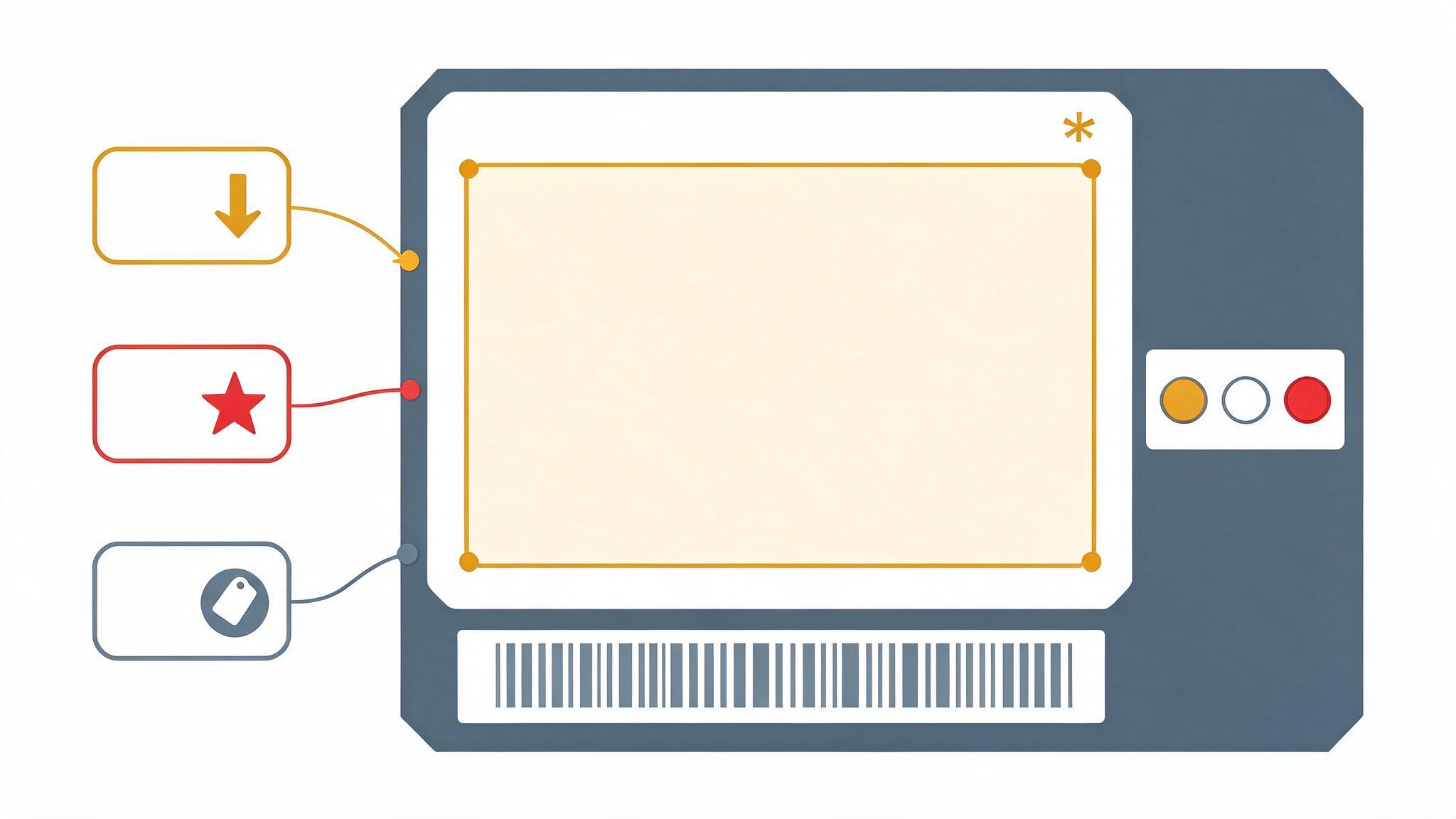
Before the endings make sense, it helps to know what else is printed on the tag. Most warehouse club shelf tags include:
- Item number — the club’s internal SKU, usually six or seven digits. It is the fastest way to check whether another warehouse carries the same item.
- Price — the number you are decoding.
- Unit price — cost per ounce, per pound or per count. This is the figure that decides whether a markdown is actually a deal.
- Purchase limits — some tags state a limit per member. Clubs generally apply limits to high-demand or short-supply items.
- Corner marks — an asterisk or letter in the upper corner. At Costco, the asterisk is widely reported to mean the item will not be reordered, which is why shoppers call it the “death star.” You can read more in our guide to the Costco price tag asterisk meaning.
The ending is only one signal. The corner marks, the unit price and how much stock is left on the pallet matter just as much.
The Hidden Meaning Behind .97 and .00 Price Tags at Major Warehouse Clubs